
Home > Aircraft
Popular Articles
10 Things you probably didn't know about the Boeing B-52 Stratofortress
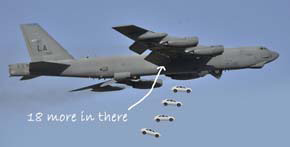
The Boeing B-52 Stratofortress is an amazing aircraft. But here are 10 things you probably didn't know about it... More
Strange and Unusual Aircraft
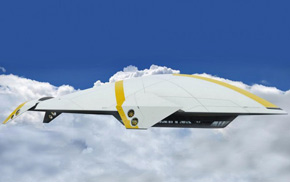
Aether Airship Concept
The Aether airship concept is a proposal for a large luxury airship... >>
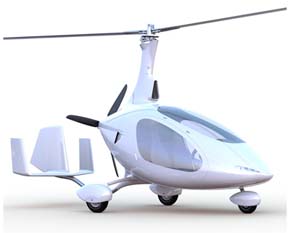
AutoGyro Cavalon
The AutoGyro Cavalon is a commercially available two-seat autogyro... >>
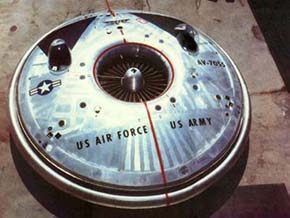
Avro Canada VZ-9V Avrocar
The Avro Canada VZ-9V Avrocar was a flying saucer in the true sense of the word... >>
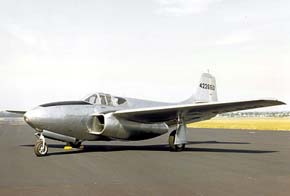
Bell XP-59A Airacomet
The Bell XP-59A Airacomet was America's first jet aircraft... >>
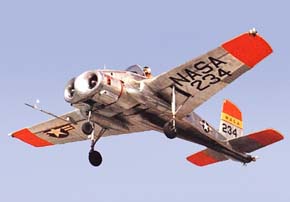
Bell X-14
The single-seat Bell X-14 was the only open-cockpit X-plane ever built... >>
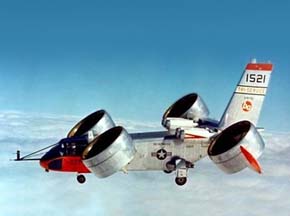
Bell X-22
The Bell X-22 was a vertical take-off and landing (VTOL) research aircraft with tilting ducted propellors.. >>
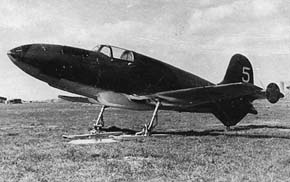
Bereznyak-Isayev BI
The Bereznyak-Isayev BI was an experimental, rocket-powered Soviet fighter plane prototype built during the Second World War... >>
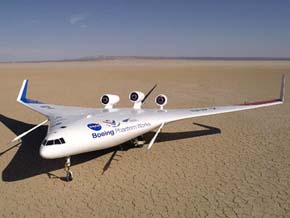
Boeing X-48B
The Boeing X-48B was a remotely piloted prototype aircraft used to experiment with blended-wing designs... >>
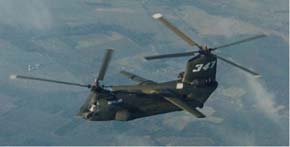
Boeing BV-347
The Boeing CH-47 was an experimental heavy-lift helicopter developed in the early 1970s... >>
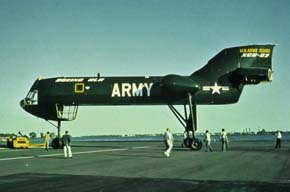
Boeing Vertol XCH-62
The Boeing Vertol XCH-62 was a prototype heavy-lift helicopter designed to carry oversized loads... >>
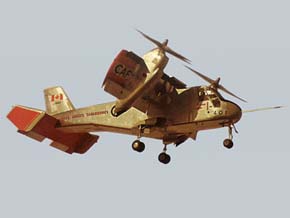
Canadair CL-84 Dynavert
The Canadair CL-84 Dynavert was an experimental tilt-wing aircraft developed in the '60s and '70s... >>
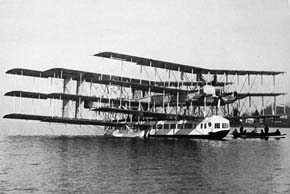
Caproni Ca 60 'Capronissimo'
The Caproni Ca 60 was an absurd aircraft which featured three sets of triplane wings set above a giant fuselage... >>
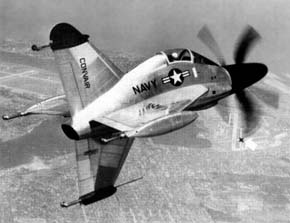
Convair XFY-1 POGO
The XFY-1 was Convair's proposal to fill a US Navy brief which called for a VTOL interceptor aircraft... >>
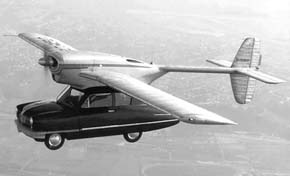
ConvAirCar
The ConvAirCar was designed by the American Industrial designer Henry Dreyfuss in 1947... >>
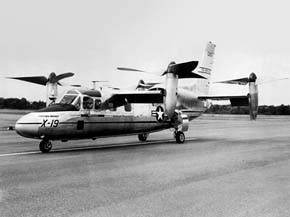
Curtiss-Wright X-19
The Curtiss-Wright X-19 was an ambitious design for aVTOL aircraft developed in the 1960s... >>
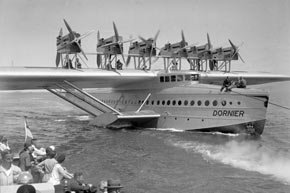
Dornier Do X
The Dornier Do X was a gigantic leviathan designed by Dr. Claudius Dornier in the 1920s... >>
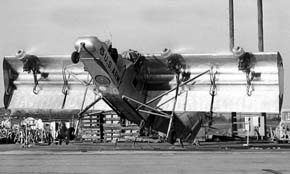
Fairchild VZ-5
The Fairchild VZ-5 was an adjustable-wing experimental aircraft developed during the 1950s... >>
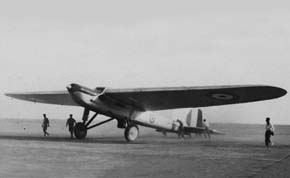
Fairey Long Range Monoplane
The Fairey Long Range Monoplane was a large long-range prototype aircraft... >>
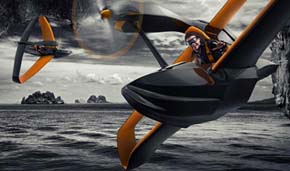
Flynano
The Flynano is a single-seat microlight which was designed to take off and land on water... >>
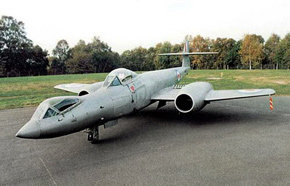
Gloster Meteor F8 "Prone Pilot"
The Gloster Meteor "Prone Pilot" was a proof-of-concept aircraft designed to explore the benefits, and drawbacks, of having a pilot in the prone position... >>
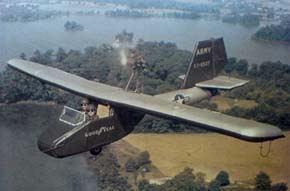
Goodyear Inflatoplane
The Goodyear Inflatoplane was a simple inflatable aircraft design developed by the US Army... >>
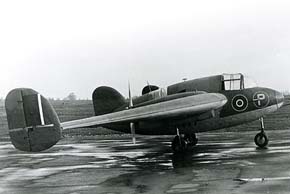
Handley Page HP.75 Manx
The HP.75 was an unusual flying-wing aircraft developed during the Second World War. ... >>

Hiller X-18
The Hiller X-18 from 1959 was the first ever tilt-wing aircraft to fly... >>
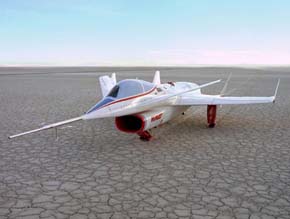
HiMAT
The HiMAT was an unmanned research aircraft used by NASA from 1979 to 1983... >>
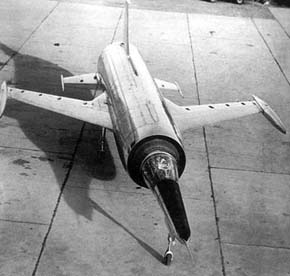
Leduc Ramjet Aircraft
The Leduc ramjet was an ramjet-powered aircraft built in France... >>
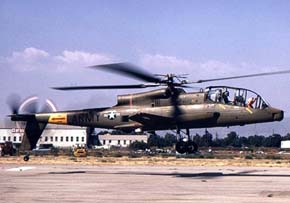
Lockheed AH-56 Cheyenne
The Lockheed AH-56 Cheyenne was developed for the United States Army in the 1960s.. >>
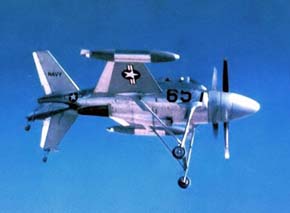
Lockheed XFV-1 'Salmon'
The Lockheed XFV-1 was a 'tail sitter' aircraft from the 1950s... >>
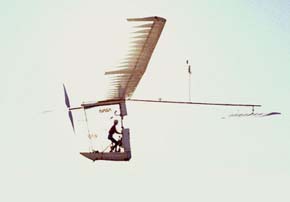
MacCready Gossamer Albatross
The MacCready Gossamer Albatross was a human powered aircraft designed by Dr Paul MacCready... >>
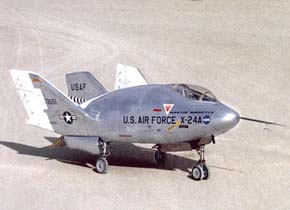
Martin Marietta X-24A
The Martin Marietta X-24A was a project sponsored by the USAF Flight Development Laboratory (FDL)... >>
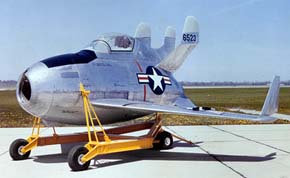
McDonnell XF-85 Goblin
The McDonnell XF-85 Goblin was a prototype parasitic-fighter aircraft developed during the 1940s... >>
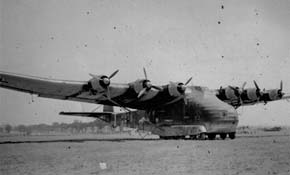
Messerschmitt Me 323 "Gigant"
The Messerschmitt Me 323 "Gigant" was a massive transport aircraft used by Germany during World War Two... >>
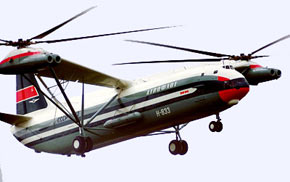
MIL V-12 Homer
The MIL V-12 was a enormous twin-rotor helicopter developed by the USSR during the height of the cold war... >>
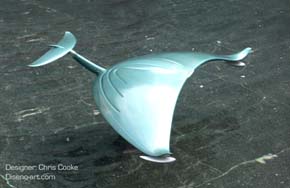
Mobula
The Mobula is a jaw-dropping design proposal for a massive, luxury transport aircraft.... >>
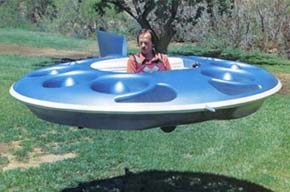
Moller M200G
The Moller M200G is a "flying car" powered by 8 ducted fan propellors... >>
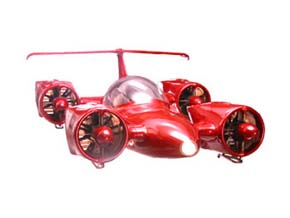
Moller M400 Skycar
The M400 Skycar from Moller International is a VTOL (Vertical Take-Off and Landing) aircraft... >>
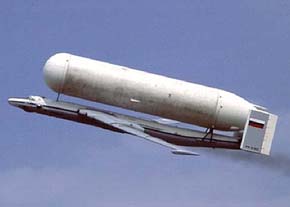
Myasischev VM-T Atlant
The Russian Myasischev VM-T Atlant was a transport aircraft specially designed to carry large external loads... >>
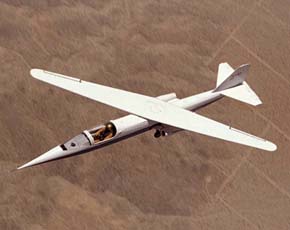
NASA AD-1
The NASA AD-1 of 1979 was an oblique-wing aircraft developed by NASA's Ames and Dryden research centres... >>
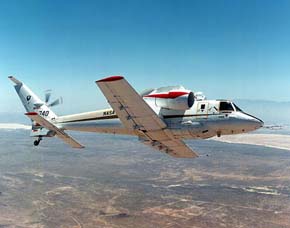
NASA RSRA
The RSRA project was a joint NASA/US Army venture which began in December of 1970... >>
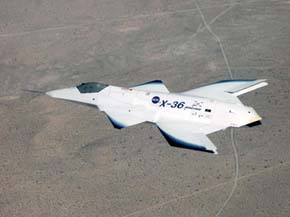
NASA X-36
The X-36 was a prototype aircraft tested and flown by NASA in 1997... >>
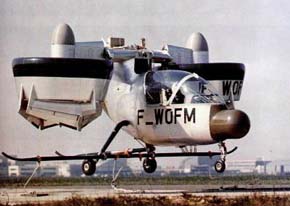
Nord 500 Cadet
The Nord 500 Cadet was an experimental aircraft developed by the French company Nord in the late 1960s... >>
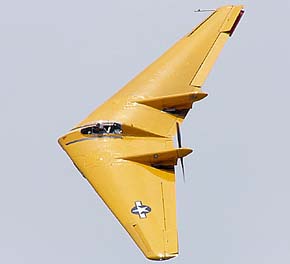
Northrop N-9M
The Northrop N-9M was a 'flying wing' design developed by Jack Northrop in the 1940s... >>
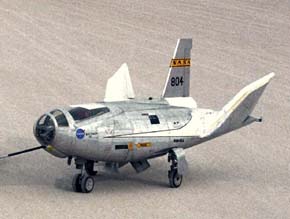
Northrop HL-10
The HL-10 was a peculiar research aircraft built by the Northrop Corporation for NASA in 1966... >>
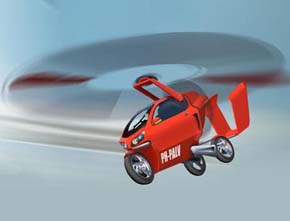
PALV
The PALV, standing for Personal Air Land Vehicle, is a conceptual solution to traffic congestion... >>
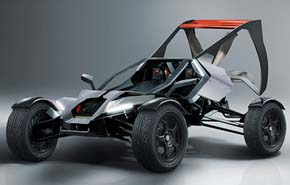
ParaJet SkyCar
The ParaJet SkyCar is a low-tech flying car... >>
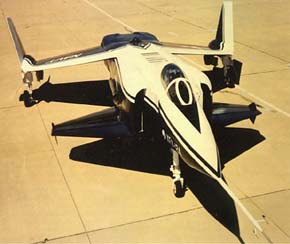
Rockwell XFV-12A
The Rockwell XFV-12A was a prototype aircraft from the 1970s... >>
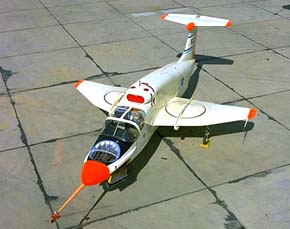
Ryan XV-5 Vertifan
The Ryan XV-5 Vertifan was a prototype aircraft developed by the US Army.. >>
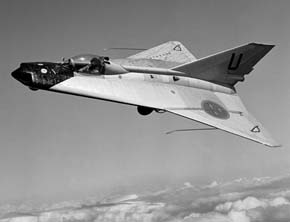
Saab 210 'Lill Draken'
The Saab 210 "Lill Draken" was a scale test bed used in the development of the supersonic J35 Draken... >>
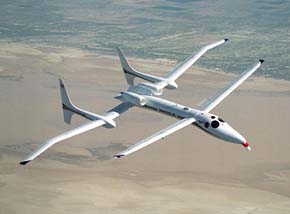
Scaled Composites Proteus
The Proteus is an odd looking aircraft which is designed to operate for extended periods of time at high altitudes... >>
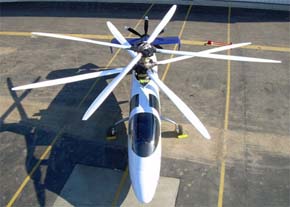
Sikorsky X2
The Sikorsky X2 is the world's fastest helicopter.. >>
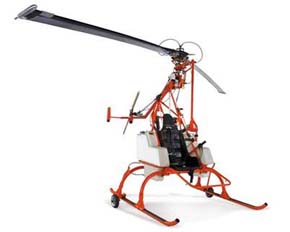
Swisscopter Dragonfly DF1
The Dragonfly DF1 is a commercially available, lightweight, single person, rocket-powered helicopter... >>
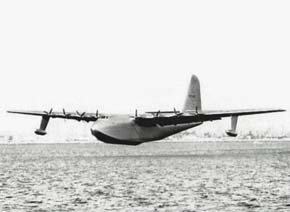
Hughes H-4 "Spruce Goose"
The Spruce Goose, was the largest airplane ever built when it was completed in 1947... >>
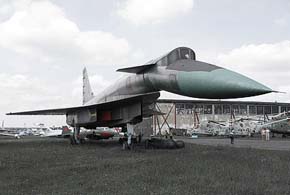
Sukhoi T4
The Sukhoi T-4 was a soviet copycat aircraft which was inspired by the American XB-70... >>
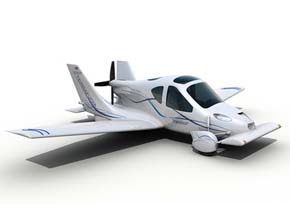
Terrafugia Transition
The Terrafugia Transition is a commercially available flying car... >>
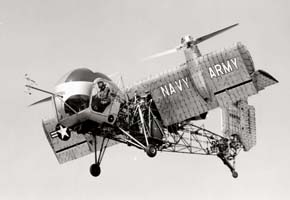
Vertol VZ-2
The Vertol VZ-2 was a bizarre blend of helicopter and conventional fixed-wing aircraft... >>
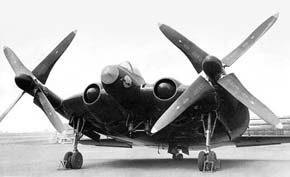
Vought XF5U-1 'Flapjack'
The V-173 was designed to prove the concept of a twin-propeller, blended wing circular aircraft... >>
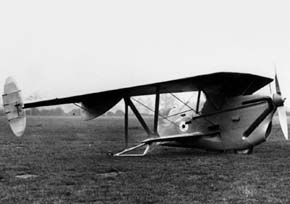
Westland Pterodactyl
The Westland Pterodactyls were a series of experimental aircraft developed in the '20s and '30s... >>